The Millbrook Ledger
Consumer
After the Hailstorm, How to Vet a Roofer Before You Sign
Four months after a June hailstorm tore through Castellan County, out-of-town crews are still knocking on doors. Here's how to tell a legitimate roofer from a storm chaser before you sign anything.
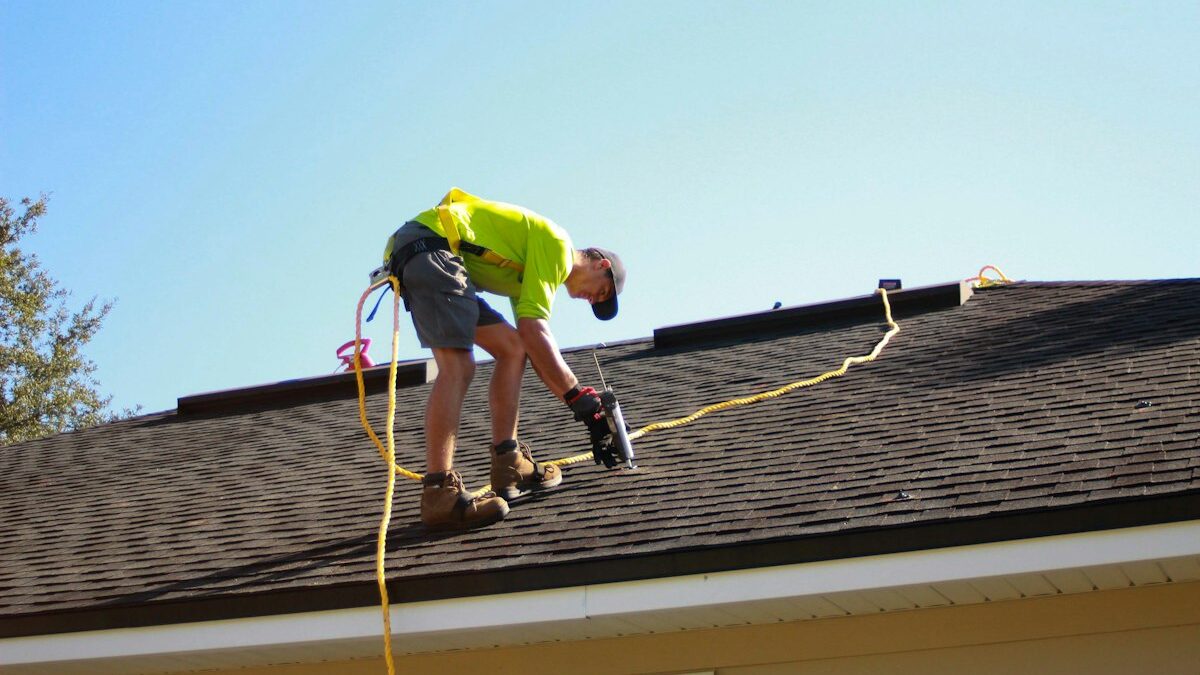
MILLBROOK, Ind. — Four months after a line of thunderstorms dropped golf-ball-sized hail across the east side of Millbrook, Doreen Castellanos still has a blue tarp stapled over one corner of her garage roof. She also has, taped to her refrigerator, four business cards from roofing companies she has never heard of, each one left in her storm door the same week the hail fell.
"They all showed up within about ten days," Castellanos said. "Different trucks, different names, but basically the same pitch: we're already working your street, we can get your insurance to pay for the whole thing, and we need an answer today." She didn't sign with any of them. Four months later, she's glad she waited, even though the tarp is getting old.
The June 14 hailstorm was the costliest weather event Castellan County has recorded since 2011, according to the county assessor's office, which has processed more than 2,200 storm-related property reassessment requests since the storm — most of them roofs. That volume has drawn the usual aftermath of a major hail event: a second wave of roofing crews, many from out of state, going door to door in the hardest-hit neighborhoods on the east side and in the Elmhurst subdivision.
Castellan County's consumer affairs office says it has fielded 31 complaints related to storm roofing work since July, more than double the number it saw in all of 2025. Most describe a similar pattern: a crew collects a deposit, performs partial or substandard work, and is unreachable by the time problems surface. "We are not saying every roofing company that showed up after the storm is a problem," said county consumer affairs director Lucille Ferris. "We are saying homeowners have about a week of pressure and a long time to live with the roof. Slow down."
Check the License Before the Ladder Goes Up
Indiana does not license roofing contractors at the state level, which makes Castellan County’s local registration requirement more important, not less. Any contractor doing roofing work inside Millbrook city limits must carry a current county contractor registration number, which homeowners can verify in about two minutes on the county clerk’s public lookup page by searching the company name or the registration number printed on the estimate.
Ferris recommends asking for three things before a crew ever gets on the roof: the county registration number, a certificate of liability insurance naming the homeowner as an additional insured for the duration of the job, and proof of workers’ compensation coverage for every person who will be on the ladder. A legitimate local or regional roofer will hand over all three without hesitation, usually by email, often before the estimate visit even happens.
Get Three Estimates, in Writing, Before You Sign Anything
The single piece of advice every roofer, adjuster, and consumer advocate interviewed for this story repeated was the same: get at least three written estimates before signing a contract, even if the first crew says the offer expires today. A written estimate should spell out the shingle brand and product line (architectural laminate shingles, not just “shingles”), the number of layers being removed, whether plywood decking will be replaced where needed and at what per-sheet cost, underlayment type, ridge vent and flashing work, cleanup and haul-away, and both the manufacturer’s material warranty and the contractor’s separate workmanship warranty.
Local estimates for a full tear-off and reshingle on an average 2,000-square-foot Millbrook ranch or two-story home are running between $9,800 and $14,500 this fall, depending on pitch, decking condition, and shingle grade — up from roughly $8,000 to $11,000 before the storm, as material and labor costs have climbed with regional demand. A bid that comes in dramatically below that range is worth a second look at what it leaves out, not a reason to celebrate.
- Compare like for like. A 30-year architectural shingle bid and a builder-grade 3-tab bid are not the same estimate, even if the price looks close.
- Ask what happens to rotten decking. Get a stated per-sheet price for replacing damaged plywood, not a vague “we’ll handle it.”
- Read the warranty split. Manufacturer warranties cover materials; only a separate workmanship warranty from the contractor covers a bad installation.
- Ask for three local addresses where the crew has done a full roof in the last two years, and drive by if you can.
Red Flags in the Driveway Pitch
Storm-chasing crews tend to share a playbook, and county officials say the pattern is recognizable once homeowners know what to watch for. A crew that demands full payment upfront, pressures a signature the same day with a discount that “expires when we leave,” or asks a homeowner to sign an assignment-of-benefits form handing the insurance claim directly to the contractor should all prompt a pause, not a pen.
“An assignment of benefits isn’t automatically a scam, but it hands your claim to someone else, and once you sign it, you may not be able to undo it,” said Ferris. “If a contractor pushes that form before you’ve even talked to your adjuster, ask why.” A local business address and a working landline, not just a cell number tied to a job site, are also easy things to verify before a deposit changes hands.
What Your Insurance Adjuster Actually Wants to See
For homeowners filing a claim, the roofing decision and the insurance decision run on separate tracks that can get tangled together. Adjusters inspect for storm-specific damage patterns — hail bruising on shingle mat, not just cosmetic wear — and homeowners who let a contractor meet the adjuster on-site report fewer disputes over scope than those who schedule the contractor visit and the adjuster visit separately and compare notes after the fact.
Photographing damage before any tarps or temporary repairs go up, keeping every estimate and every piece of correspondence with a contractor, and asking the adjuster directly whether a repair or a full replacement is being approved are the three steps county officials say prevent the most disputes later.
Established Local Companies Aren’t Hard to Find
Millbrook has no shortage of roofing contractors with a real local track record, which is part of why Ferris’s office keeps pushing residents to slow down rather than sign with whichever crew showed up first. Firms like Kettle River Construction, which has done roofing and exterior work in the county for more than two decades, and Bauer Brothers Roofing, a family-owned crew based on the north side, both carry current county registration and have physical addresses homeowners can visit — the kind of basic facts that are harder to confirm with a crew working out of a pickup truck with an out-of-state plate.
“The hail doesn’t care how fast you sign. The roof you get in six months is the one that matters, not the one you agreed to in six minutes.” Lucille Ferris, Castellan County Consumer Affairs
A Second Wave of Scrutiny
The county consumer affairs office has started publishing a short list of contractor red flags on its website and plans a community information session at the Millbrook Public Library in November aimed specifically at storm-affected homeowners who haven’t yet signed a contract. For homeowners like Castellanos, still watching the tarp over her garage, the advice has mostly reinforced a decision she already made by instinct: wait for the estimates, check the paperwork, and let the roof take the time it needs.