The Millbrook Ledger
City Hall
City Council Approves Downtown Parking Garage, 5-2
After nearly two years of debate, the council voted Tuesday to build a four-story garage on the Elm Street surface lot, financed largely by downtown merchants through a new taxing district.
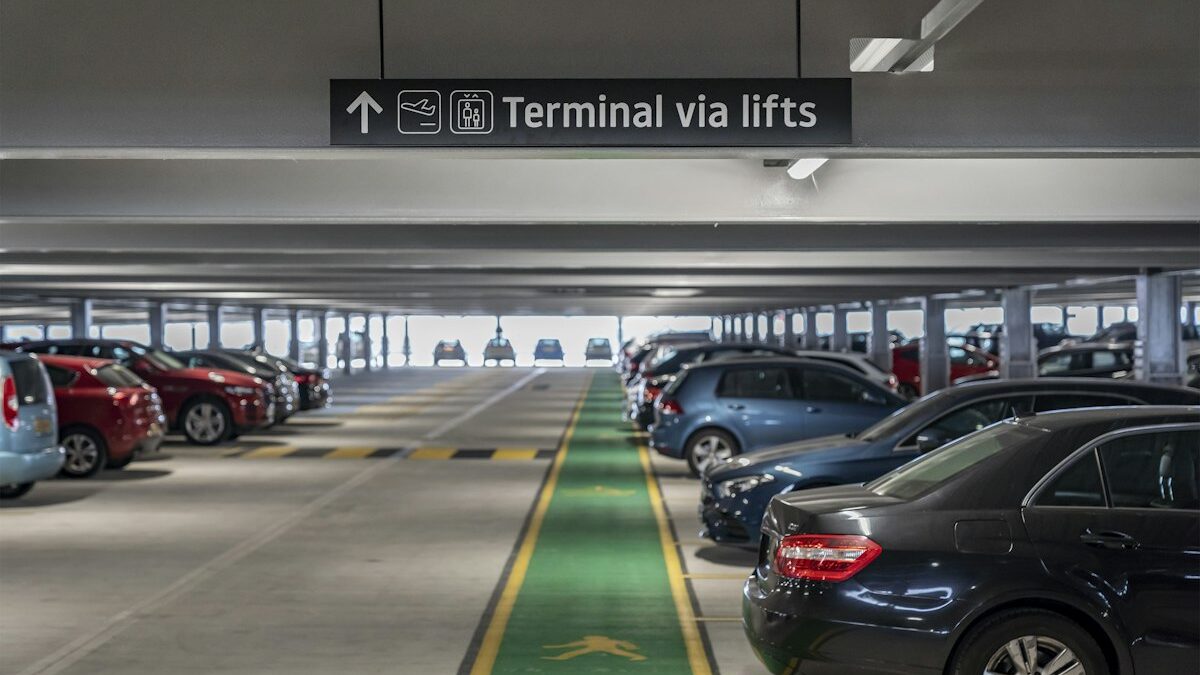
MILLBROOK, Ind. — The Millbrook City Council voted 5-2 Tuesday night to approve construction of a four-story, 412-space parking garage on the Elm Street surface lot, ending nearly two years of debate over how to address downtown parking shortages without raising property taxes citywide.
The $14.2 million project will be financed primarily through a newly created downtown economic improvement district, which will assess an additional charge on commercial properties within a six-block radius of the courthouse square, rather than through the city’s general fund. Construction is expected to begin in spring 2027 and take approximately 14 months, with the Elm Street lot closing to public parking during that time.
Council members Denise Okafor and Raymond Teague cast the two dissenting votes, both citing concerns about the financing structure rather than opposition to a parking garage in principle. "I don't think the merchants who'll pay this assessment for the next 20 years got enough say in a project this size," Teague said before the vote. "I'm supportive of solving the parking problem. I'm not supportive of how we're paying for it."
Tuesday’s vote followed more than three hours of public comment, split between downtown business owners who argued the current parking shortage is costing them customers and residents who questioned whether a four-story structure fits the scale of the historic courthouse square. Mayor Louis Dunmore, who has pushed the project since his 2024 State of the City address, called the vote “a turning point for downtown” after the meeting.
Subscribers get unlimited access to Ledger reporting on Millbrook city government, schools, courts and sports. Subscribe today to keep reading — and to support local journalism.
Subscribe for $6.99/monthYears in the Making
The parking garage has been studied in some form since 2019, when a downtown business survey first flagged parking availability as merchants’ top concern, ahead of foot traffic and even rent. A 2023 consultant study commissioned by the city found the downtown core had an effective deficit of roughly 180 parking spaces during peak hours on weekdays, driven partly by the addition of the Castellan County Courthouse annex and partly by the opening of several new restaurants along Court Street since 2021.
Three previous proposals — two for garages at different sites and one for a surface lot expansion on the river side of downtown — stalled over cost, site control, or opposition from neighboring property owners before the Elm Street site emerged last year as the council’s preferred option, in part because the city already owned the lot outright.
How the Financing Works
The economic improvement district approved alongside the garage will assess commercial property owners within the defined downtown boundary an additional rate on top of their existing property tax bill, set initially at 0.4% of assessed value and capped at 0.6% over the 20-year bond term. City finance director Angela Brisbane told the council the assessment is projected to generate roughly $780,000 annually, enough to cover debt service on the bonds the city will issue to fund construction.
Property owners outside the defined district, including most residential homeowners in Millbrook, will not pay the assessment. Brisbane said garage parking fees, likely in the range of $1 per hour or a $45 monthly permit based on comparable garages in similarly sized Indiana cities, are expected to cover ongoing operating and maintenance costs separately from the construction bonds.
What Happens to Elm Street Parking Until Then
The 90-space Elm Street lot will remain open to the public until construction begins, which city engineer Walt Oduya told the council is likely to be April or May of 2027 pending final design approval and a competitive bid process this winter. During the roughly 14-month construction period, the city plans to lease a portion of the gravel lot behind the old Millbrook Feed & Seed building on the south side of downtown as temporary overflow parking.
Design Still to Come
Tuesday’s vote approved the project’s scope, site, and financing, but not a final design. The council directed city staff to bring architectural concepts back for review in January, with particular attention to the garage’s ground-floor street frontage along Elm Street, which several council members said should include retail or restaurant space rather than a blank concrete facade facing the courthouse square.
“We’ve built a lot of parking garages in this state that nobody wants to look at,” council member Priya Nagarkar said. “I want ours to be one people don’t mind walking past.” The council’s downtown and economic development committee is expected to hold a public design workshop in December before any concepts come back for a vote.
Reaction Downtown
Reaction among downtown business owners was largely positive, though tempered by the long timeline. “I’ve heard about this garage since I opened in 2019,” said Renata Boyle, who owns a gift shop on Court Street and has separately written in support of the city’s downtown bike lane. “I’ll believe it when there’s a hole in the ground, but at least now there’s a vote on the record and a way to pay for it.”
Not every merchant was satisfied. Harold Pruitt, who owns a hardware store two doors from the Elm Street lot, told the council he worried the assessment would fall hardest on small, single-location businesses rather than the larger commercial property owners better positioned to absorb it. “I don’t have a corporate office splitting this cost across ten locations,” Pruitt said during public comment. “It’s just me and this building. I support the garage. I’m still going to feel this assessment every year.”
A Vote With a Long Paper Trail
City clerk records show the parking garage has appeared on some version of the council’s agenda in eleven separate meetings since the 2023 consultant study, more than any other capital project currently under consideration. Dunmore acknowledged the slow pace at Tuesday’s meeting but framed it as a deliberate tradeoff. “We could have rushed a worse version of this through two years ago,” he said. “We have a better financing structure and a better site because we took the time to argue about it properly. I’d rather defend a five-year process than defend a mistake we rushed into.”
City staff said a construction timeline update, along with the first look at design concepts, will come before the council’s downtown committee in January, with a target of breaking ground by late spring 2027.